


The New York Review of Books
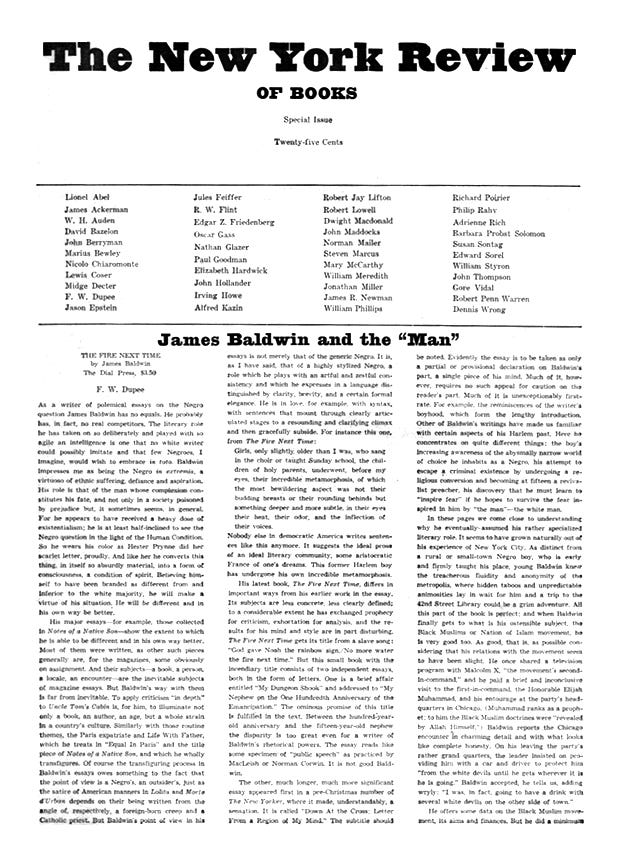
The New York Review of Books was launched during the New York City newspaper strike of 1963, when the magazine’s founding editors, Robert Silvers and Barbara Epstein, alongside Jason Epstein, Robert Lowell, and Elizabeth Hardwick, decided to start a new kind of publication—one in which the most interesting, lively, and erudite minds of the time could write about current books and issues in depth. For more than sixty years The New York Review has been guided by its founding philosophy that criticism is urgent and indispensable.
What’s on our Substack?
A free subscription comes with complete access to each of the following newsletters:
Brief Encounters: A weekly interview series featuring conversations with contributors to the Review. Saturday mornings
The Art Newsletter: Monthly dispatches from our Art Editor, Leanne Shapton, highlighting recent illustrations in the print magazine. One Wednesday per month
New in the Review: Previews of the latest articles and essays on politics, literature, arts, and ideas. Tuesday and Thursday mornings
From the Archives: Free selections from our sixty-year archive. Sunday mornings
We’ll also occasionally post special content, like videos, year-end round-ups, and dispatches from our editors, all available for free.
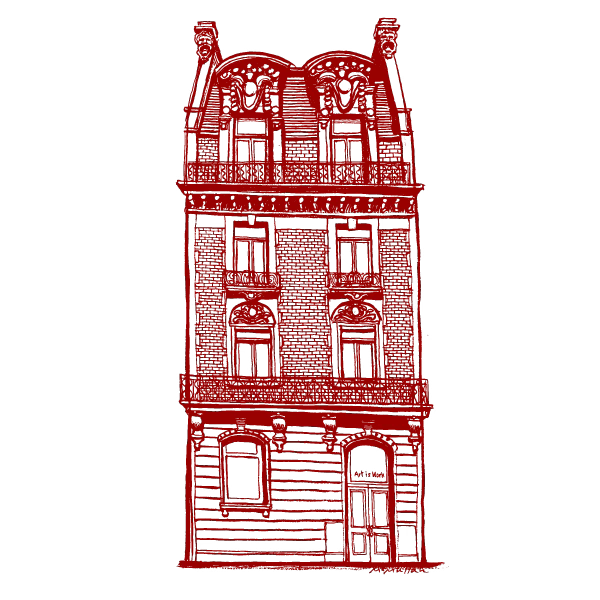
What’s the building on your welcome page?
That’s our home in New York City. It was built in 1902. Over its history it has been, among other things, a Tammany Hall clubhouse, the New York Magazine offices, and Milton Glaser’s art studio. Etched into the glass above the doors are the words “Art is work.”
If you like our Substack, consider subscribing to our magazine by visiting nybooks.com/substack for a special discount on a full subscription.
