


On August 29, 2017, way back in Donald Trump’s first term, M. Gessen wrote for the NYR Online an analysis of the new president’s autocratic impulses, in particular his “encourage[ment] of extralegal violence.” These sometimes tacit and sometimes explicit incitements included the president’s notorious nod to the “very fine people”—neo-Nazis, Klansmen, and far right militias among them—at the Unite the Right rally in Charlottesville, Virginia, where a white supremacist had just killed a woman.
Below we present a preview. Read the full article for free here.
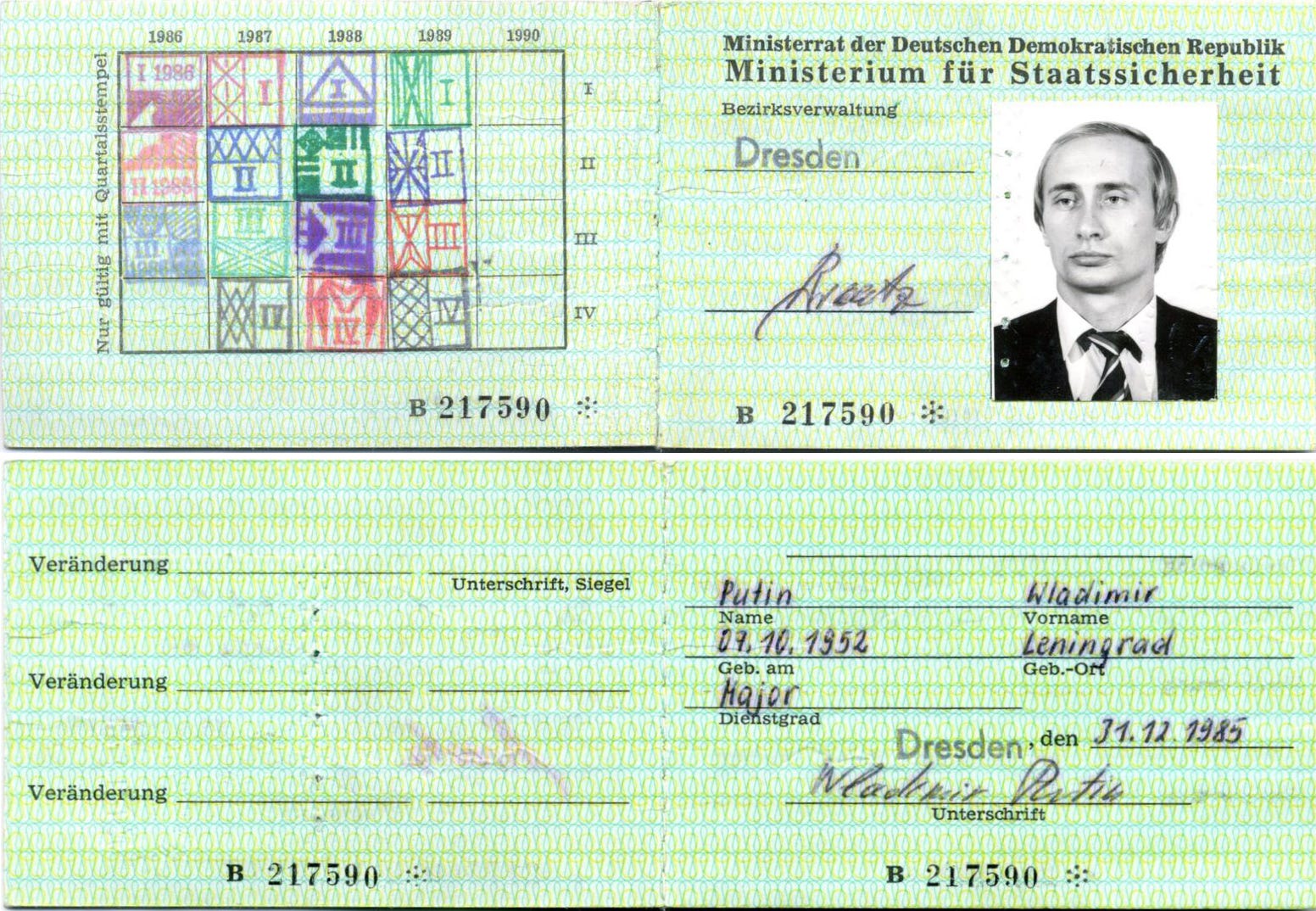
Turn on Russian television any day of the week and you are certain to stumble upon a show in which a group of people who appear to be regular citizens (that is, they have no uniforms or government-issued documents) stage a raid of one sort or another. They barge into a store or a restaurant, for example, and demand to see employees’ identity documents, the storage area, or the cooking facilities. Without fail, they find violations of laws or regulations: the staff, natives of Central Asia, don’t have work permits! The store stocks vodka bottles with no alcohol-tax stamps affixed to them! The cook doesn’t cover her hair! At the end of the show, the raiders often pass their tearful, terrified victims to uniformed law enforcement officers, who sometimes appear less than enthusiastic about the task being handed to them.
These raiders have no official titles or legal powers. What directs their actions are the militant rhetoric and the promise of broad impunity that emanate from the Kremlin—and, of course, the glory and recognition of being on television. YouTube and RuTube contain a trove of other vigilante videos, including of self-appointed vice squads who beat up gay men or suspected drug dealers on camera.
Sometimes these vigilantes get in trouble with the law: occasionally a murderer of gay men is caught and jailed, and once in a while a vigilante-gang leader is reined in, though his partners in crime continue to roam free. But in general, the arrangement is low-risk for the perpetrators and convenient for the Kremlin. Vigilantes work fast. Russian law enforcement is not exactly subject to a lot of institutional constraints, but it can be sluggish, and it carries out violence in a dragged-out, bureaucratic way. The vigilantes, on the other hand, make a spectacle of their work, creating the sort of generalized dread on which autocracies thrive. At the same time, vigilantes, who work in small clumps, do not pose the sort of threat to the autocrat that powerful institutions of state sometimes can.
Putin did not invent vigilantes, of course: autocrats frequently rely on delegating violence to extralegal actors or, as in the case of Rodrigo Duterte of the Philippines, on the willingness of law enforcement officers to carry out extralegal violence in exchange for the promise of impunity. Duterte has made this promise explicit; more often, incitement to violence contains a tacit guarantee of protection.
Over the last two weeks, we have seen Donald Trump send out both kinds of signals to the vigilantes of his own choosing. His refusal to condemn the violent marchers in Charlottesville, in pointed and repeated break with political convention, was rightly interpreted by the white supremacists as a signal of encouragement. And his pardoning of former sheriff Joe Arpaio—before he was even sentenced—protected a law enforcement officer from facing any consequences for a long history of brutal violations of constitutional rights. Trump had encouraged extralegal violence in the past—like when he called on police not to be “too nice” to suspects. But the two weeks bracketed by the violence in Charlottesville and the pardon of Arpaio herald a definite turn away from the institutions of a government he despises.
Unlike an established autocrat like Putin, who delegates violence because he prefers his institutions ineffectual, Trump has been encountering some resistance from within his government. Grownups seem to be taking charge at the White House. Congressional Republicans have become more willing to criticize Trump, and he cannot contain his fury with them. His secretaries of state and defense have distanced themselves from him. In response, Trump now turns toward the gun-toting hoodlums who share his contempt for institutions.
Read the full article for free on the Review’s website here.
If you like our Substack, consider subscribing to our magazine by visiting nybooks.com/substack for a special discount on a full subscription.
Support the New York Review of Books! Great publication!