

Toni Morrison Cracks Wise
Inside our February 26 issue

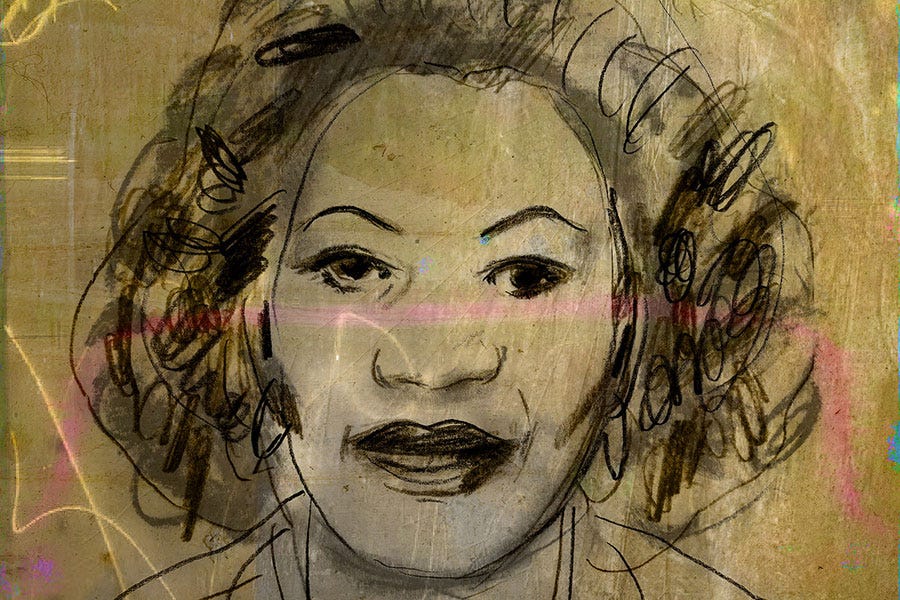
Namwali Serpell
Toni Plays the Dozens
With all that gravitas, you might not realize it, but Toni Morrison was funny as hell. Many of her friends reminisce about her sense of humor; according to some, it bordered on the bawdy. As a close reader of her work, I am not in the least surprised. She kills me, as they say.
Read the full article on the Review’s website here.

Julian Gewirtz
When the Chips Are Down
Beijing has been working to produce advanced chips domestically for over a decade, including under the Made in China 2025 industrial strategy, which President Xi Jinping introduced in 2015. But China made limited progress in catching up to the cutting edge and thus resorted to buying the most advanced chips from abroad. The growing clusters of advanced semiconductors that enable ever more powerful AI systems remain the most significant American advantage in this competition, even as China has caught up to or surpassed the US in areas like engineering talent and energy generation and management.
Read the full article on the Review’s website here.
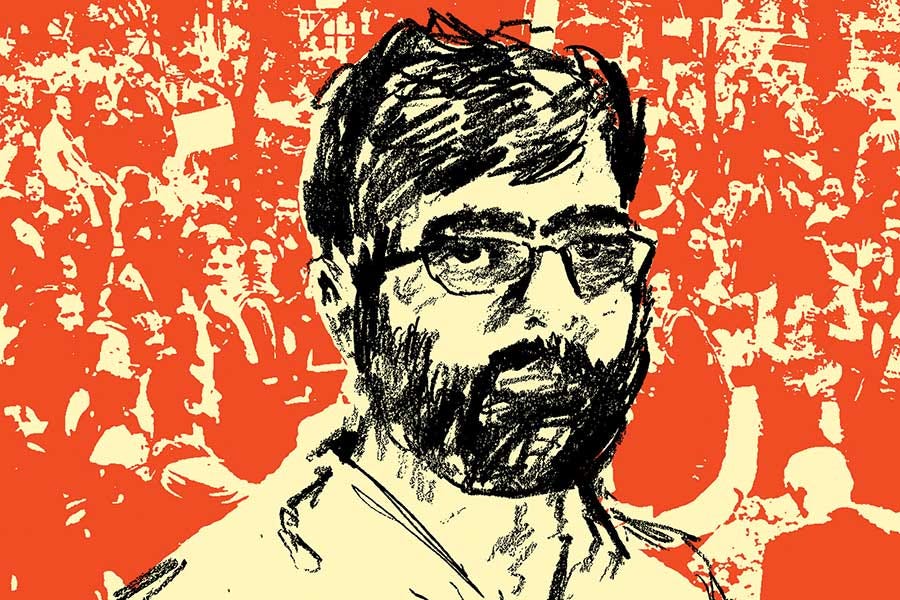
Ben Tarnoff
People Think
The philosopher Asad Haider died in December at the age of thirty-eight. He was my friend. But I knew him best through his writing, which earned him a loyal following among his contemporaries. For us Asad was the preeminent thinker of “millennial socialism.” Not only because he was impeccably millennial in his formation (born in 1987, he protested the Iraq War, graduated from college the year after the financial crisis, and participated in the Occupy movement) but also because he was perpetually wrestling with the problem of how to make socialism millennial—that is, how to take up the socialist tradition while reinventing it for the twenty-first century.
Read the full article on the Review’s website here.
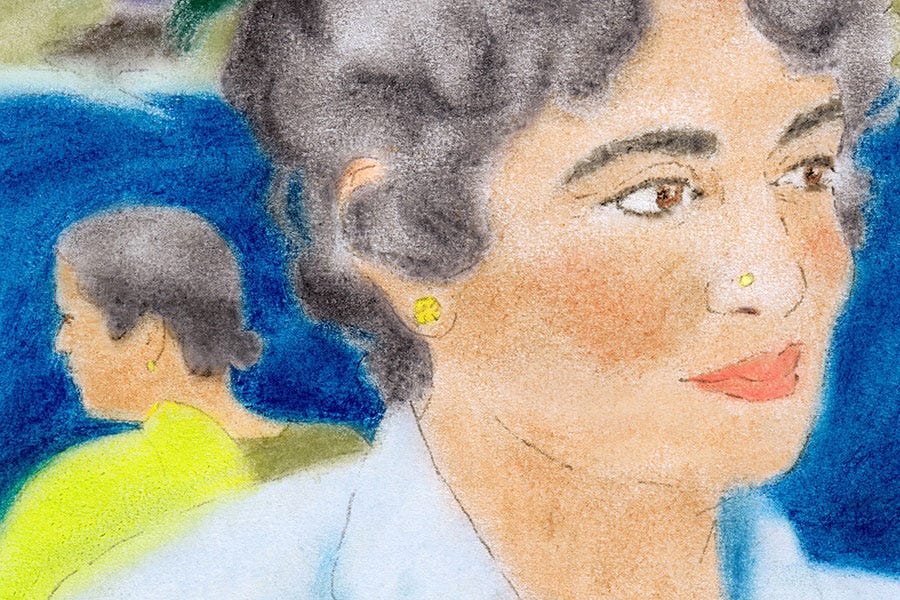
Vivian Gornick
Mother Trouble
An autobiography, more often than not, is meant to be the record of an exemplary life; written by an artist, a missionary, or a politician, it usually intends to set the record straight by affirming or correcting or elucidating the author’s place in the history or enterprise with which he or she is associated. The effort is intellectual; analysis and interpretation are its strong points.
A memoir, on the other hand, sets out to shape a single piece of experience; it has as its motivating force an emotional insight that holds all the parts together and determines the shape of the narrative. In this sense the memoir is rather like a novel in that it depends on dramatized storytelling for its success. The important word here is dramatized. It is dramatization, the story, that makes the memoir live, and not only live but grow large.
Read the full article on the Review’s website here.
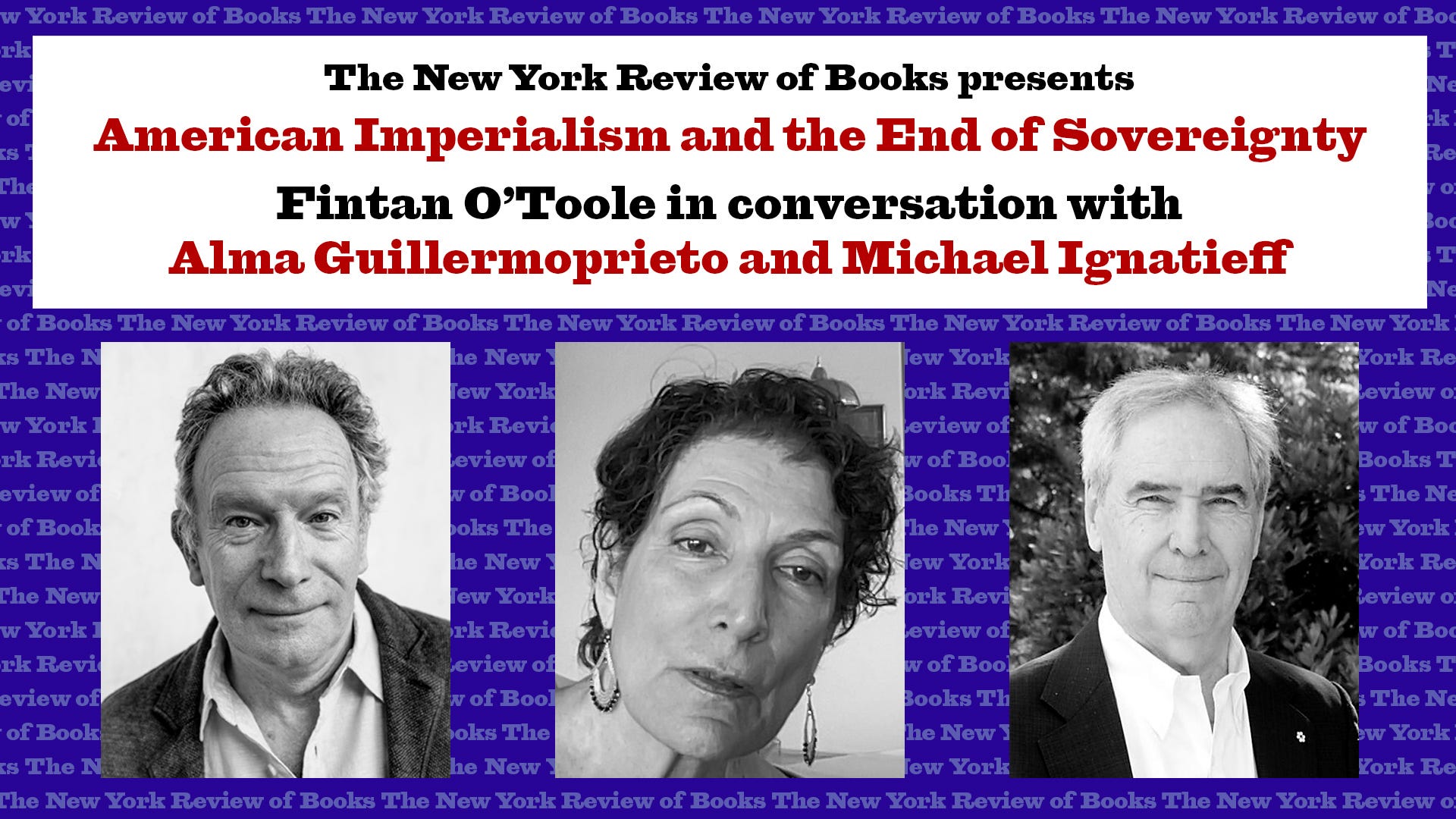
Fintan O’Toole with Alma Guillermoprieto and Michael Ignatieff
American Imperialism and the End of Sovereignty
Fintan O’Toole hosts New York Review contributors Alma Guillermoprieto and Michael Ignatieff for a wide-ranging conversation on the Trump administration’s imperial ambitions in Venezuela, Greenland, and beyond.
The conversation will be hosted on Zoom and open to the public. Tickets are pay-what-you-wish.
The event begins tonight at 5:00 PM EST. Register here.
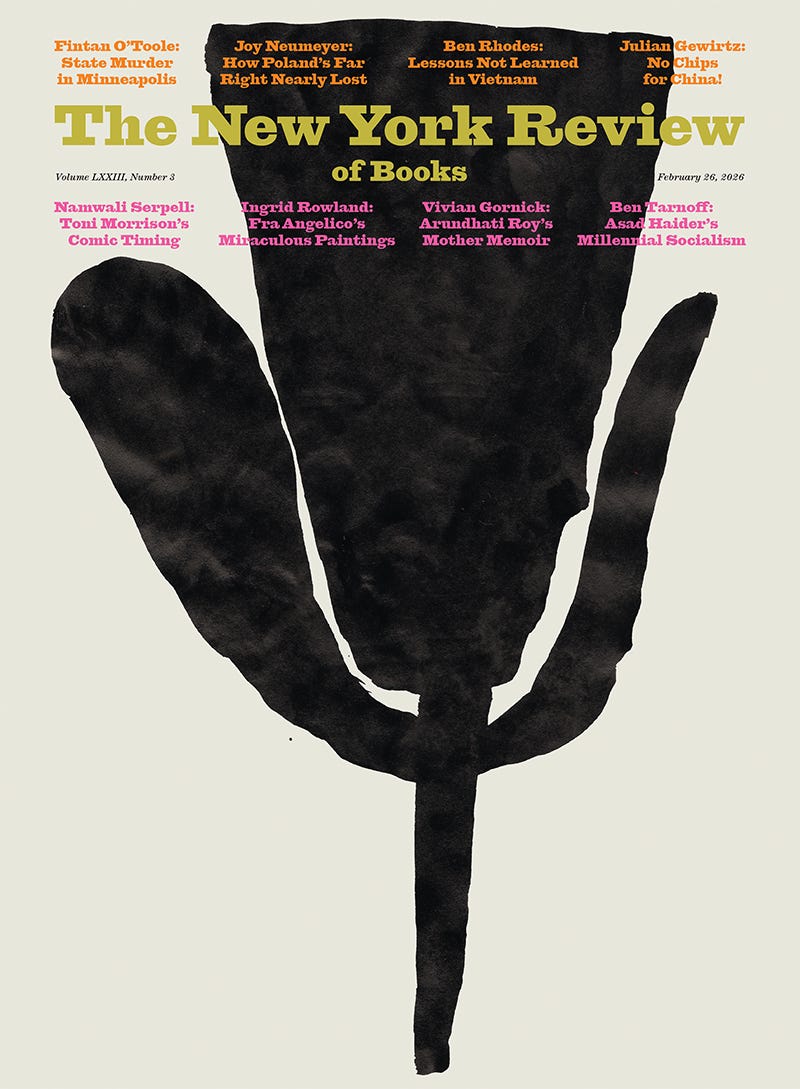
More from our February 26 issue…
Ben Rhodes on Robert McNamara’s sins
Oscar Lopez on the adoption industry in Central America
Rachel Donadio on Curzio Malaparte’s fascist friends and enemies
Trevor Jackson on the problem with central banks
Ingrid Rowland on Fra Angelico
Joy Neumeyer on Poland’s hesitant return to democracy
Maurice Samuels on escaping the Nazis in Marseille
Brenda Wineapple on Malcolm Cowley
Ian Tattersall on a pre-Darwinian catalog of critters
Larry Rohter on Chile’s darkest novel
Fintan O’Toole on the murders of Renee Good and Alex Pretti
Poems by James Arthur and Mary Jo Salter

If you like our Substack, consider subscribing to our magazine by visiting nybooks.com/substack for a special discount on a full subscription.