

Marilynne Robinson on Affordability
Plus: The NHS; David Szalay; Repatriating Art; and more from our January 15, 2026, issue...


Marilynne Robinson
At What Cost?
Recent elections produced similar results in very dissimilar places. Commentators came up immediately with a word to summarize what lay behind this apparent like-mindedness among the voters of Mississippi, Utah, and New York City. The word is “affordability.” It was popularized in the first place by Zohran Mamdani in his successful campaign to be mayor of New York City. In his use of it, the word refers to the fact that the health of a city depends on the ability of its population to achieve basic stability in the essentials of their lives, to earn enough relative to the cost of living to work and raise families under less than harrowing conditions. Mamdani has proposed modest reforms—free buses, free childcare for children aged six weeks to five years, some city-owned grocery stores to act as a check on food prices—that are well designed to have significant benefits for a great part of the population. I do not intend any criticism of these policies in themselves when I say that, in shifting expenses from individuals to the public, they spare many companies and corporations from the pressure to raise wages and salaries. His plan is actually a very good deal for employers. This is not a reason to oppose it, since it would be an improvement on the present state of things. But “affordability” achieved by these means is a superficial solution to a much deeper problem.
Read the full article on the Review’s website here.
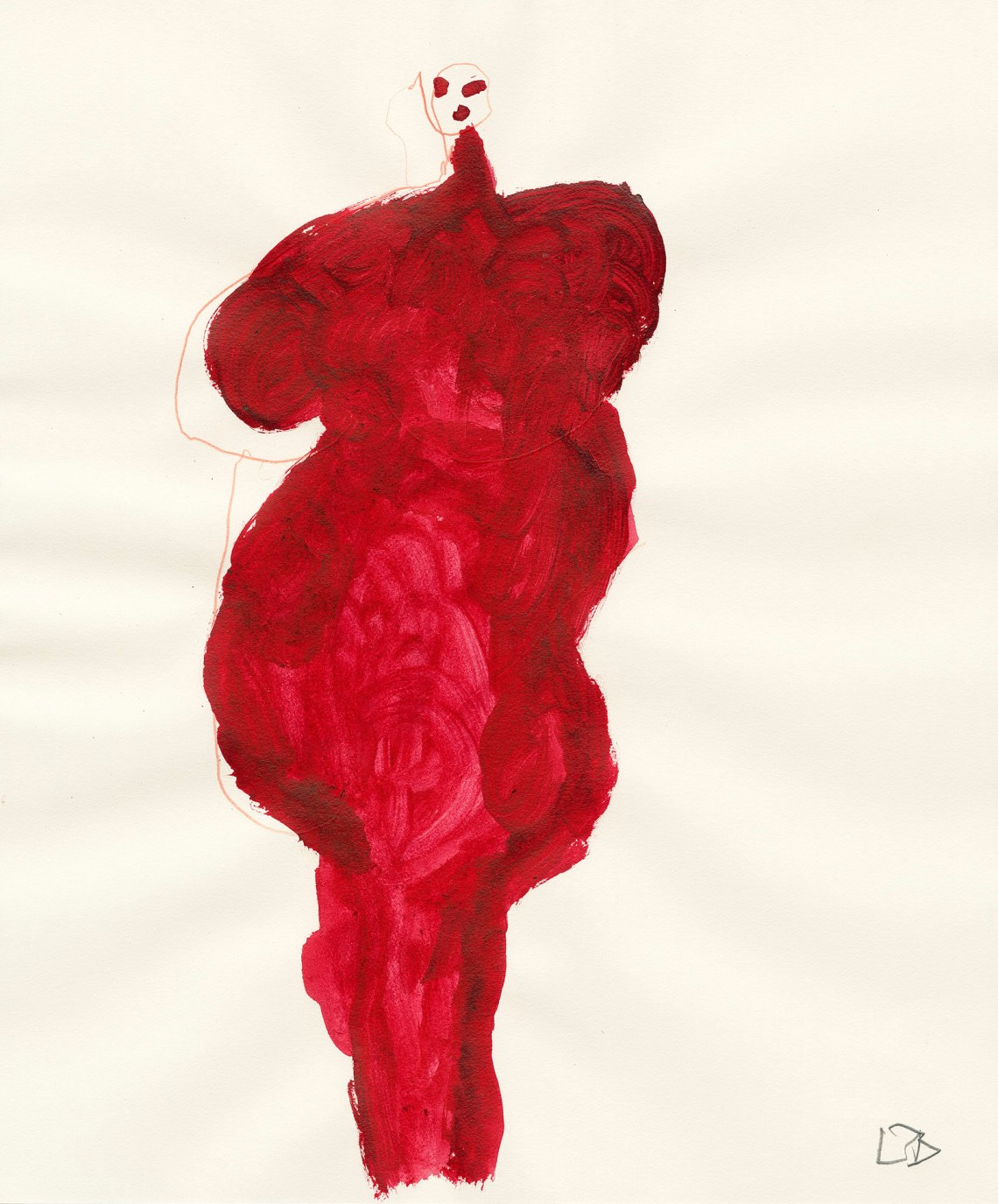
Claire Wills
Blood Work
I am remaking myself, quite literally. I’m getting rid of toxic red blood cells and making clean new ones. Each week I go to an NHS clinic at my local hospital in North London, where a pair of friendly and efficient nurses (trained in the Philippines) relieve me of a pint of blood. It takes about fifteen minutes for it to pour through a needle inserted into the vein in the crook of my left elbow, into a bag balanced on a set of souped-up bathroom scales on the floor under my chair, while one of the nurses keeps a weather eye on the digital display. Then she uncouples the line and throws the bag into a big yellow bin. My job is to make more blood, for next week. I’m halfway through a ten-week cycle—ten weeks, ten pints. When I asked the specialist (trained in Pakistan) how many pints of blood I had to start with he said, rather gleefully, “eight or nine.”
Read the full article on the Review’s website here.
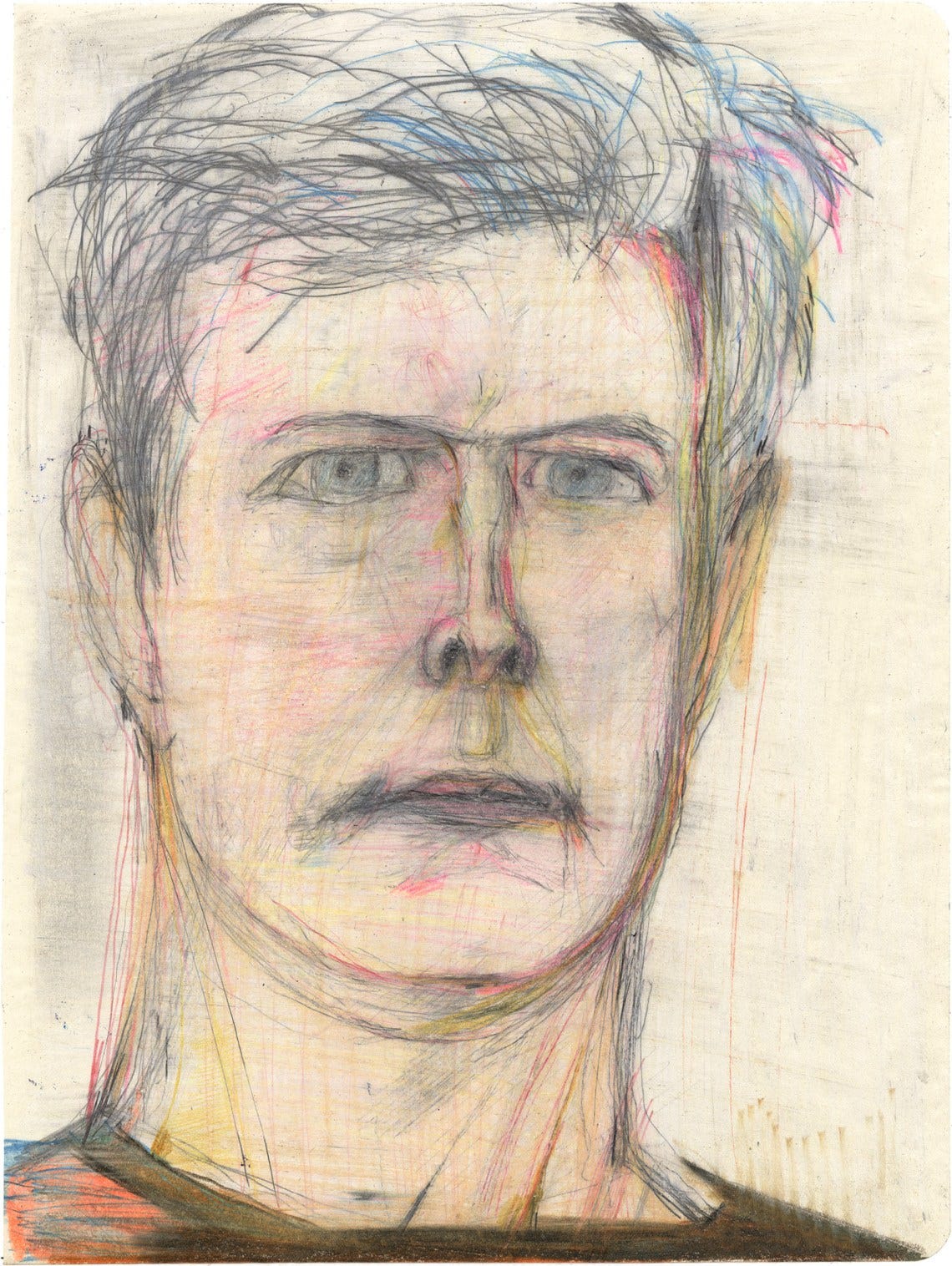
Kevin Power
All the Sad Unliterary Men
David Szalay’s sixth book, Flesh, is partly about the encounter between a definitively unbookish mind and the intractable realities of experience. A male mind, crucially. And a hetero mind: this too is relevant. Unbookish straight men are a Szalay specialty. He writes with great formal rigor about the foot soldiers of contemporary blokedom. The unbookish straight man at the heart of Flesh is István. The novel follows him from the age of fifteen, when he lives with his mother in a provincial Hungarian apartment block, until roughly retirement age, when he lives with his mother in a provincial Hungarian apartment block. In between, a rise and fall: István becomes a petty criminal, then a soldier, then a bouncer at a London strip club, then (after a Good Samaritan intervention in a mugging) a bodyguard to “VIPs, celebrities, and high-net-worth individuals,” then a full-time “security driver” for a wealthy couple, the Nymans, then a property developer during the Cameron–Clegg coalition government, then—after various calamities personal and financial—a security guard for Media Markt, a shop in the mall near his mother’s apartment back in Hungary.
Read the full article on the Review’s website here.
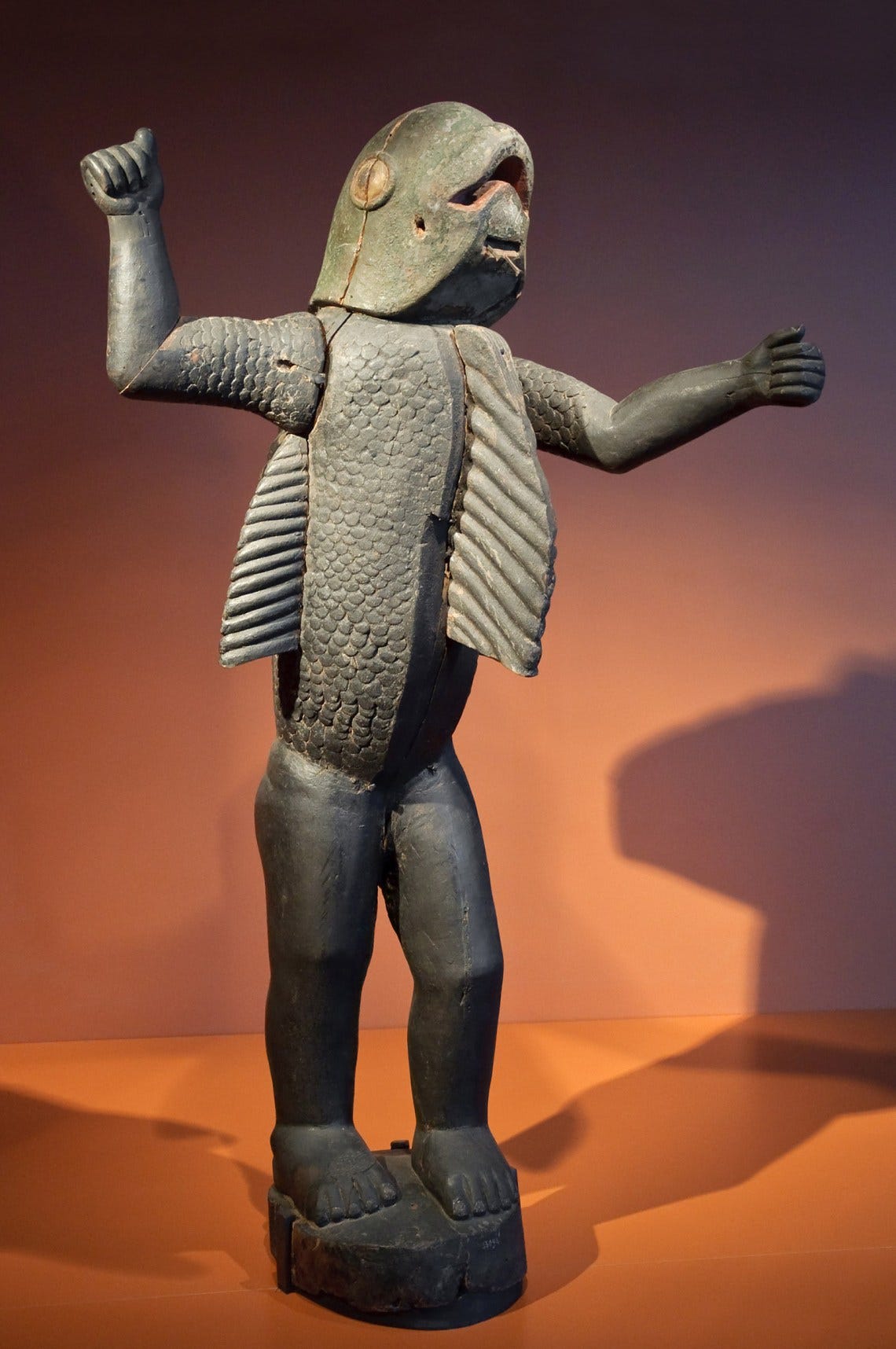
Susan Tallman
The Empire Gives Back
Today the thoroughness with which colonized people were robbed of their own creations seems unconscionable. The Sarr–Savoy report cites UNESCO’s widely accepted estimate that 90 to 95 percent of the historical patrimony of sub-Saharan Africa is held outside the continent. The problem is not just that the West has so much; it’s that everybody else was left with so little. The fine words of the Declaration on the Importance and Value of Universal Museums no longer seem an appropriate response to what Savoy describes as “the asymmetry between those who hold the largest share of the world’s heritage…and those who have little or next to nothing and are indignant about it.” Precisely because our museums have successfully sensitized us to the incandescent power of art objects, she asks, “how can we not want…to engage in a fairer policy towards the dispossessed?”
Read the full article on the Review’s website here.
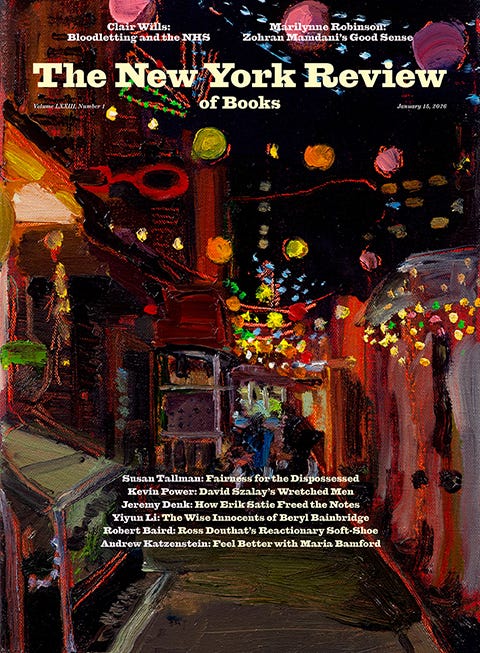
More from our January 15, 2026, issue…
Jeremy Denk on Erik Satie’s gentle yet ruthless compositions
Helen Epstein on Uganda’s tyrants
Robert P. Baird on Ross Douthat’s impotent religion
Andrew Katzenstein on Maria Bamford’s mental comedy
Bill McKibben on carbon dioxide
Yiyun Li on the innocents of Beryl Bainbridge
Nicholas Guyatt on the Mason–Dixon Line
Michael Dirda on Fitz-James O’Brien’s wonderfully weird stories
Poems by Joe Dunthorne and Maureen N. McLane

I don’t read Robinson as dismissing the importance of transportation, childcare, or food access, those are real and necessary supports, especially for people already under strain. Her concern, as I understand it, is that when such measures are offered in isolation, without restoring democratic checks, environmental protections, or limits on corporate power, they become palliative rather than transformative. The danger she names isn’t comfort versus discomfort, but a system that trades short term convenience for long term loss of agency and collective security. Calling that superficial is not indifference to hardship; it’s a warning about how easily material relief can be used to mask deeper forms of dispossession.
Calling alleviating the cost of transportation and childcare and making grocery shopping more convenient “modest” and “superficial” is criticism enough. It no doubt comes from a place of comfort and security.