


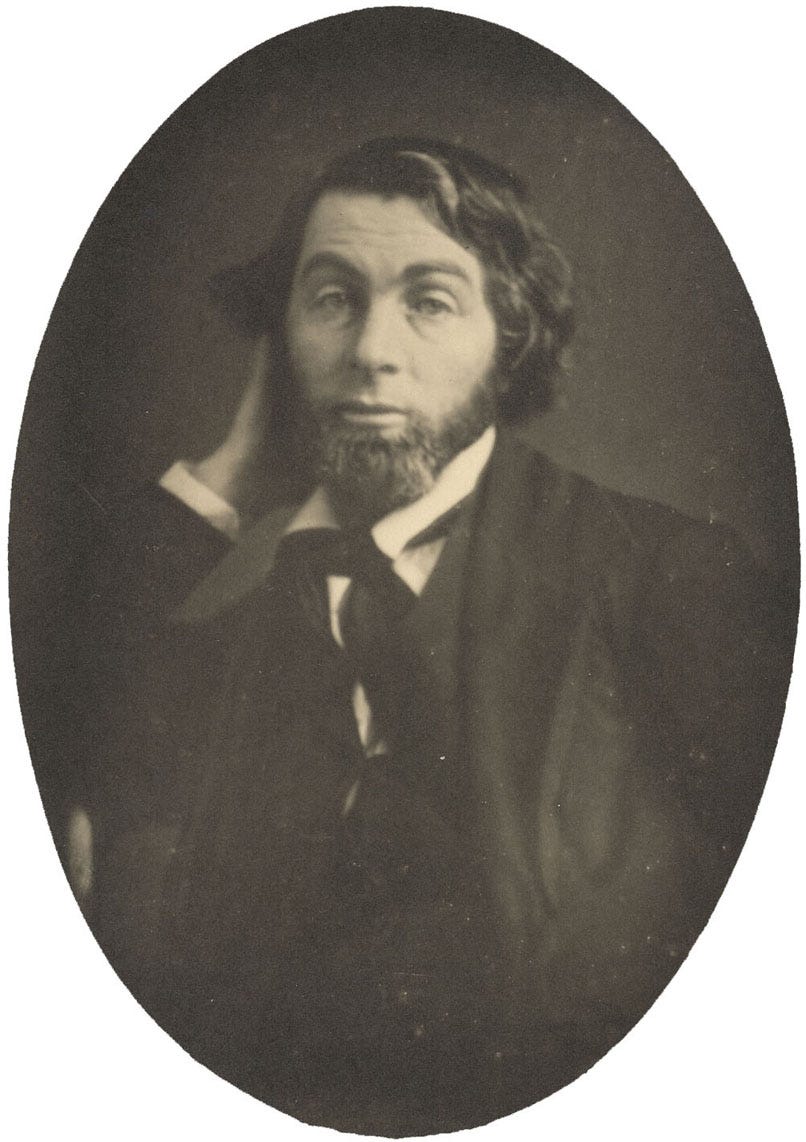
Today is Walt Whitman’s 207th birthday. For many years before the publication of Leaves of Grass he was a freelance journalist, writing for dozens of newspapers and magazines, including Broadway Journal, for which, in 1845, he wrote about the Cheney Family Singers, a review that the Review reprinted on May 16, 2015 (making Whitman, quite possibly, our oldest contributor).
Great is the power of Music over a people! As for us of America, we have long enough followed obedient and child-like in the track of the Old World. We have received her tenors and her buffos, her operatic troupes and her vocalists, of all grades and complexions; listened to and applauded the songs made for a different state of society—made, perhaps, by royal genius, but made to please royal ears likewise; and it is time that such listening and receiving should cease. The subtlest spirit of a nation is expressed through its music—and the music acts reciprocally upon the nation’s very soul. Its effects may not be seen in a day, or a year, and yet these effects are potent invisibly. They enter into religious feelings—they tinge the manners and morals—they are active even in the choice of legislators and high magistrates. Tariffs can be varied to fit circumstances—bad laws obliterated and good ones formed—those enactments which relate to commerce or national policy, built up or taken away, stretched or contracted, to suit the will of the government for the time being. But no human power can thoroughly suppress the spirit which lives in national lyrics, and sounds in the favorite melodies sung by high and low.
There are two kinds of singing—heart-singing and art-singing. That which touches the souls and sympathies of other communities may have no effect here—unless it appeals to the throbbings of the great heart of humanity itself—pictures love, hope, or mirth in their comprehensive aspect. But nearly every nation has its peculiarities and its idioms, which make its best intellectual efforts dearest to itself alone, so that hardly any thing which comes to us in the music and songs of the Old World, is strictly good and fitting to our own nation.
Read the full article for free on the Review’s website here.
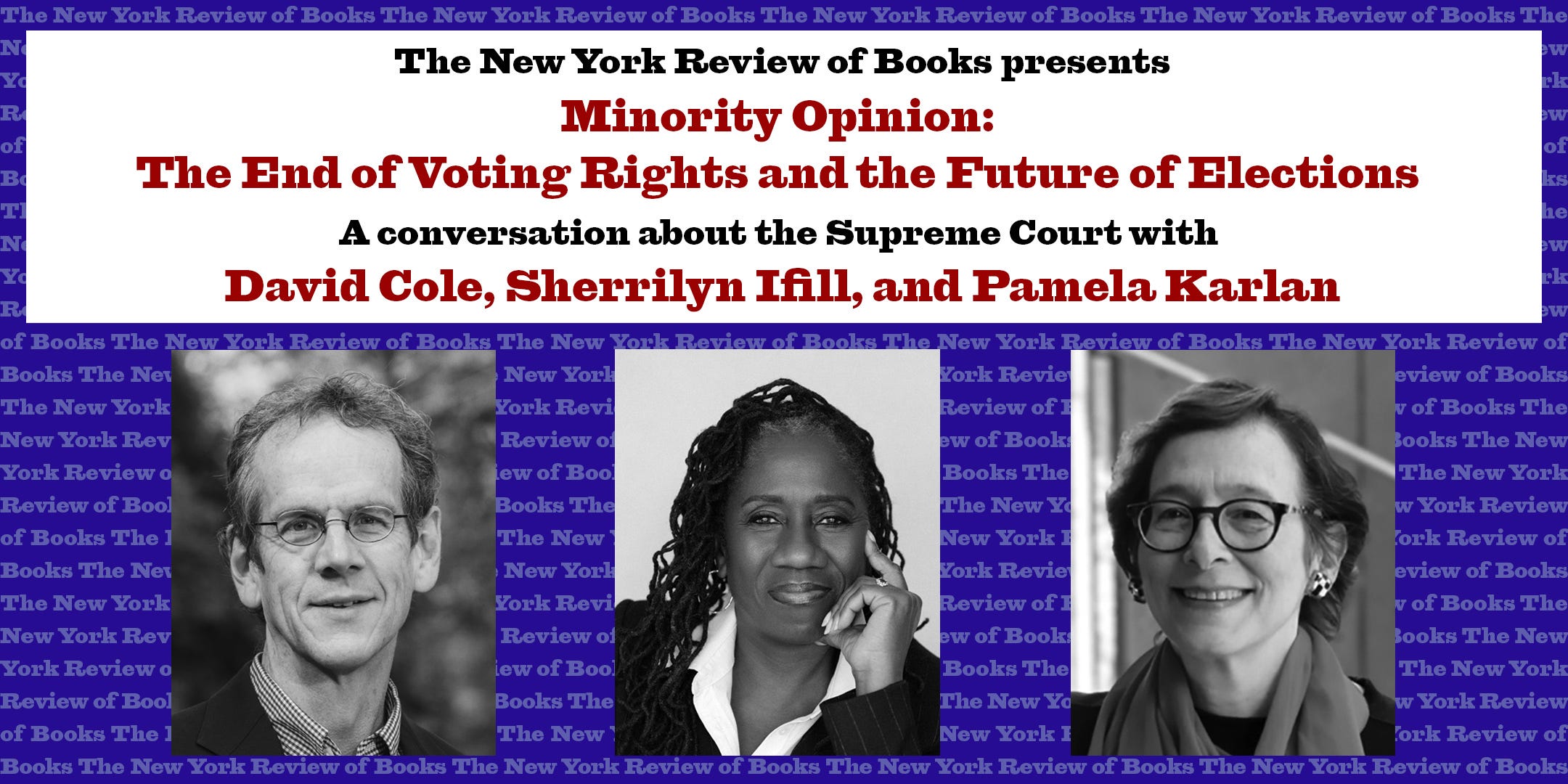
Monday, June 1, 2026, at 5:00 PM EDT
New York Review contributors David Cole, Sherrilyn Ifill, and Pamela Karlan come together for a wide-ranging conversation on the consequences of the Supreme Court’s death blow to the Voting Rights Act. The conversation, held via Zoom, will last approximately ninety minutes, including a question-and-answer period. The event is pay-what-you-wish (with a suggested fee of $10) and open to the public.
Register here.

Sounds distinctly Sacred Harp-y!
Here here. A toast to the Master.